
THE REALITY OF PACKAGING WASTE IN VIETNAM: CHALLENGES AND SOLUTIONS | SUSTAINABLE PACKAGING IN VIETNAM
Vietnam faces a growing packaging waste issue, with plastic waste contributing to environmental pollution. Explore the challenges, impacts, and solutions for sustainable packaging and recycling in Vietnam.
Packaging Waste in Vietnam and Its Growing Threat to the Environment
Vietnam generates around 3.9 million tons of plastic waste annually, with packaging being the largest contributor. Only a small portion of this waste is recycled, putting immense pressure on the country’s waste management systems and the environment. This article explores the state of packaging waste in Vietnam, its environmental impact, and potential solutions to address this growing issue.
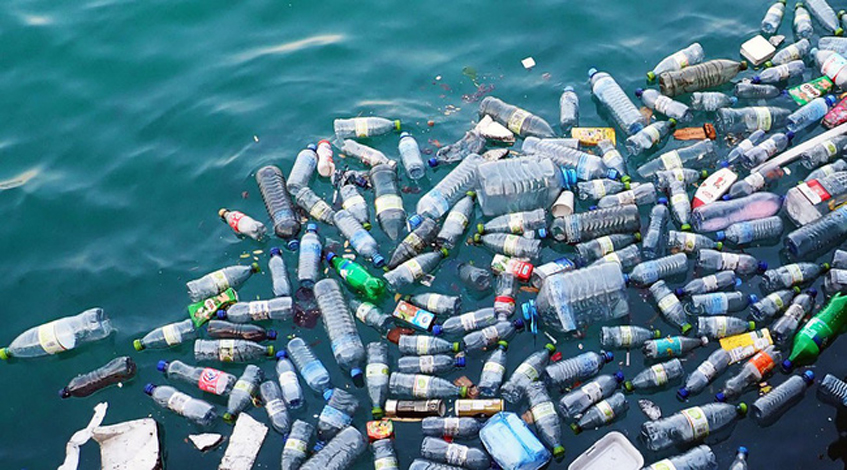
Source: Provietnam.com.vn
The State of Packaging Waste in Vietnam
According to the World Bank, Vietnam produces approximately 3.9 million tons of plastic waste each year, with only 10-15% being recycled. A significant portion of this is plastic packaging, which is a major contributor to environmental pollution.
The Ministry of Natural Resources & Environment (2023) reports that Vietnam consumes about 5 million tons of plastic annually, and a large share of this is used for packaging. Unfortunately, the collection and recycling of this waste face multiple challenges, including lack of proper infrastructure and economic incentives for businesses to invest in recycling programs.
Environmental Impact of Packaging Waste in Vietnam
Plastic packaging is a leading cause of marine pollution, accounting for over 90% of plastic waste found in the ocean. This waste severely impacts marine ecosystems and biodiversity. Plastic bags, in particular, make up one-third of this waste, with more than 80% of them being used only once before being discarded.
Vietnam’s Packaging Industry and E-commerce Growth
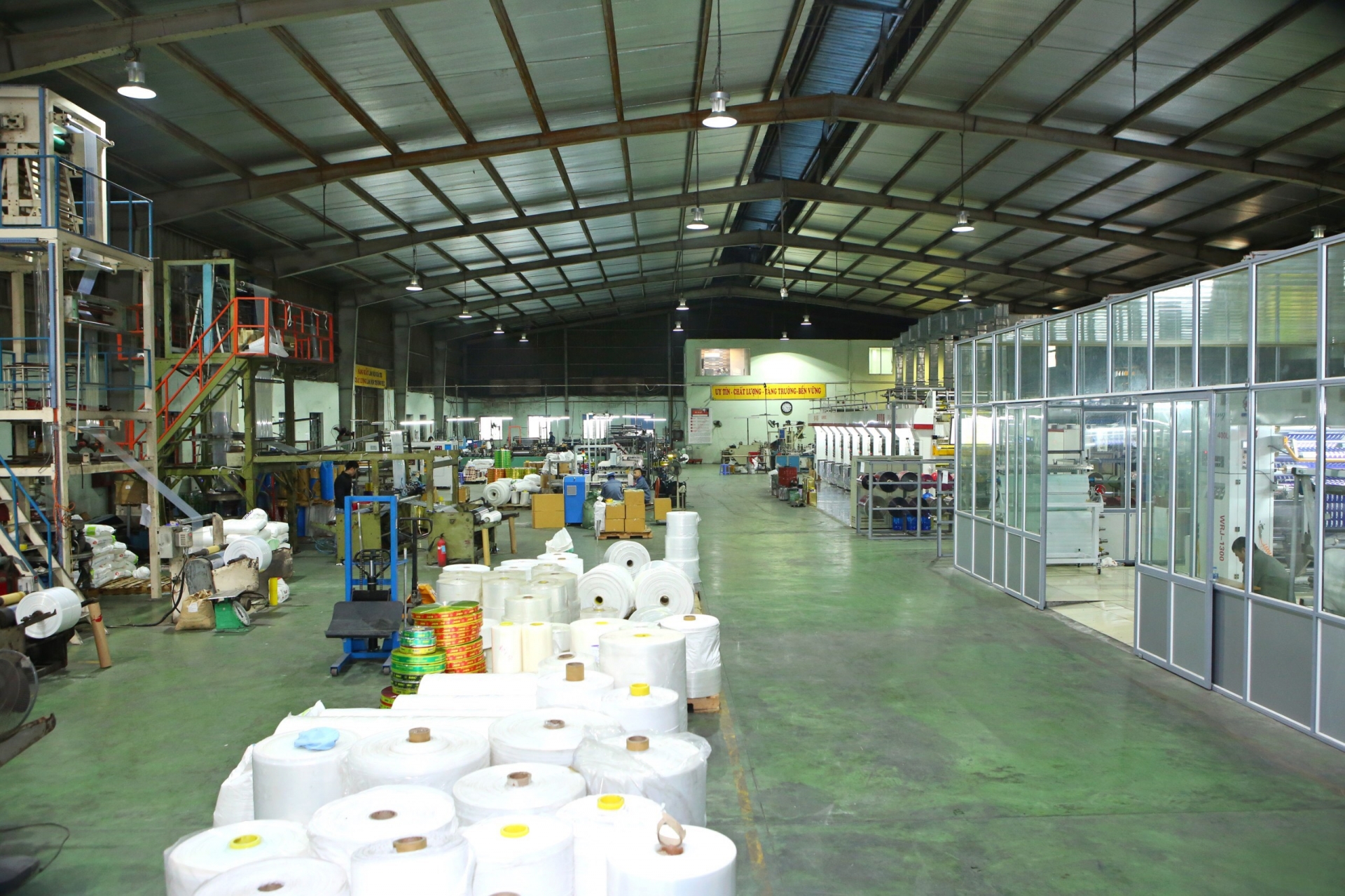
The Vietnam packaging industry is home to about 14,000 businesses, including around 4,500 packaging companies. However, packaging production requires large amounts of energy and natural resources, and its disposal generates substantial greenhouse gas emissions, contributing to climate change.
The rapid growth of e-commerce in Vietnam has led to a significant increase in the use of plastic packaging. Unfortunately, much of this e-commerce packaging is not collected or recycled effectively, further contributing to environmental pollution.
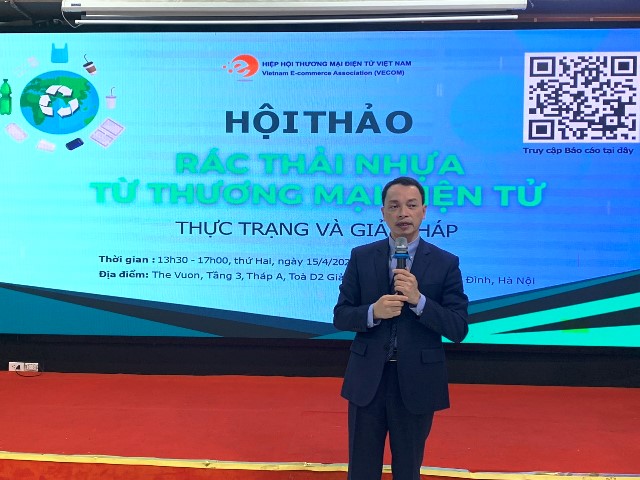
Souce: congnghieptieudung.vn
Solutions and Strategies for Reducing Packaging Waste
Raise Public Awareness on Packaging Waste
Launching public awareness campaigns about the harmful effects of packaging waste can help encourage the use of eco-friendly packaging alternatives.Encourage the Use of Biodegradable Packaging
Companies should be encouraged to adopt biodegradable packaging to minimize their environmental footprint.Invest in Waste Collection and Recycling Infrastructure
Improving waste collection systems and investing in advanced recycling technologies are essential steps in managing packaging waste effectively.Enforce Regulations and Policies
Implementing policies such as Extended Producer Responsibility (EPR) can incentivize businesses to take responsibility for the recycling of their packaging waste.
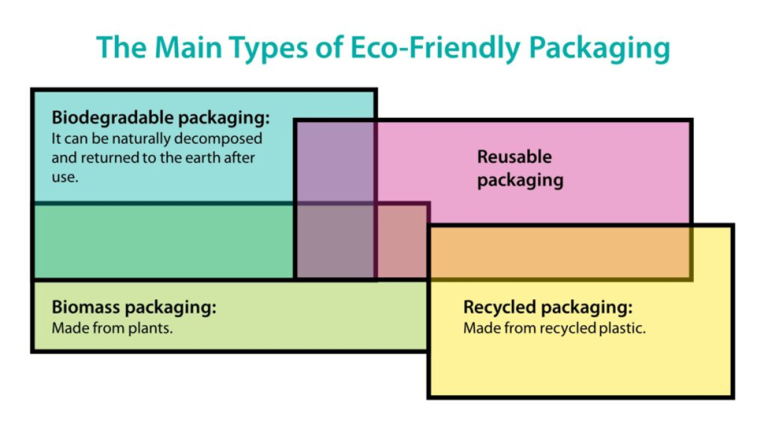
Source: Renouvo
Conclusion: Moving Towards a Sustainable Packaging Future in Vietnam
Vietnam's packaging waste issue requires immediate attention and concerted efforts from the government, businesses, and individuals. By adopting sustainable practices, raising awareness, and improving recycling systems, Vietnam can significantly reduce its packaging waste and mitigate the environmental impact.
Article by R.N | Compiled from information and articles by the Vietnam Packaging Recycling Alliance, Industry and Consumer Magazine, and VASI.