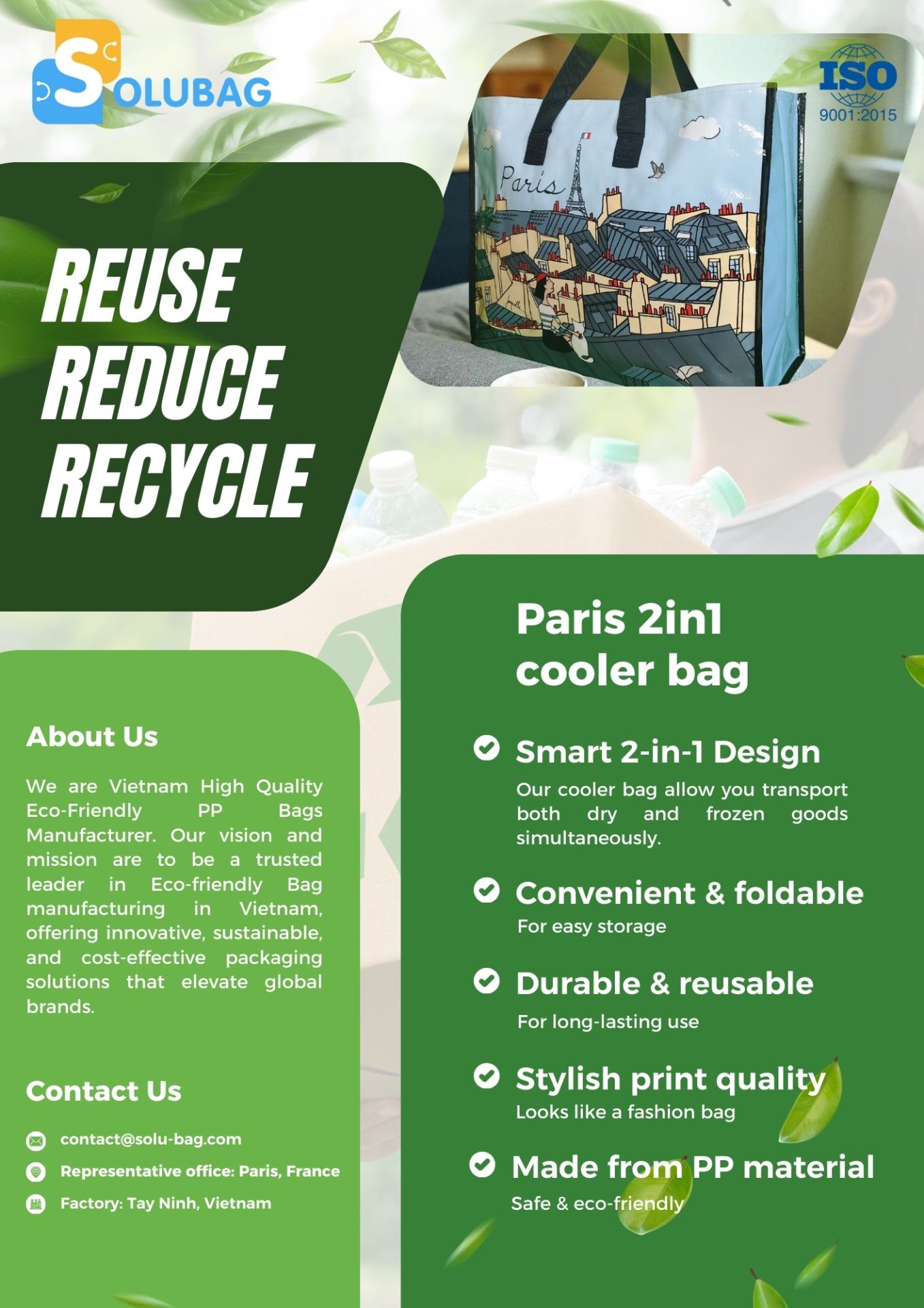
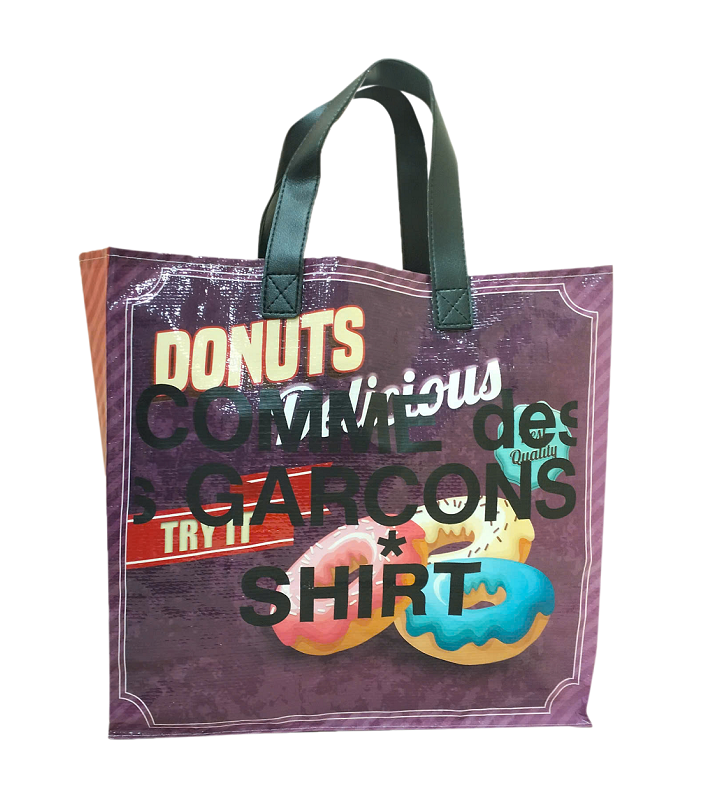
Laminated PP Woven Bag & Laminated PP Non Woven Bag
Laminated PP Woven Bag & Laminated PP Non Woven Bag solutions designed for durability, water resistance, and premium printing performance. These bags are widely used for packaging rice, fertilizer, animal feed, retail shopping, and promotional campaigns. With BOPP lamination technology, they offer enhanced strength, moisture protection, and vibrant custom designs. Ideal for agriculture, industrial, and commercial applications, laminated PP bags deliver cost-effective, reusable, and sustainable packaging solutions for worldwide buyers.
A Practical Manufacturing Perspective for 2026 Sourcing Decisions
Between a laminated PP woven bag and a laminated PP non woven bag, focusing on how lamination affects durability, print quality, reuse, and long-term performance. It looks at how these two bag types are produced, where they perform best, and how buyers should choose between them in 2026 as sustainability, reuse, and quality expectations continue to evolve. The content is written from a factory-side perspective to help B2B buyers make informed sourcing decisions.
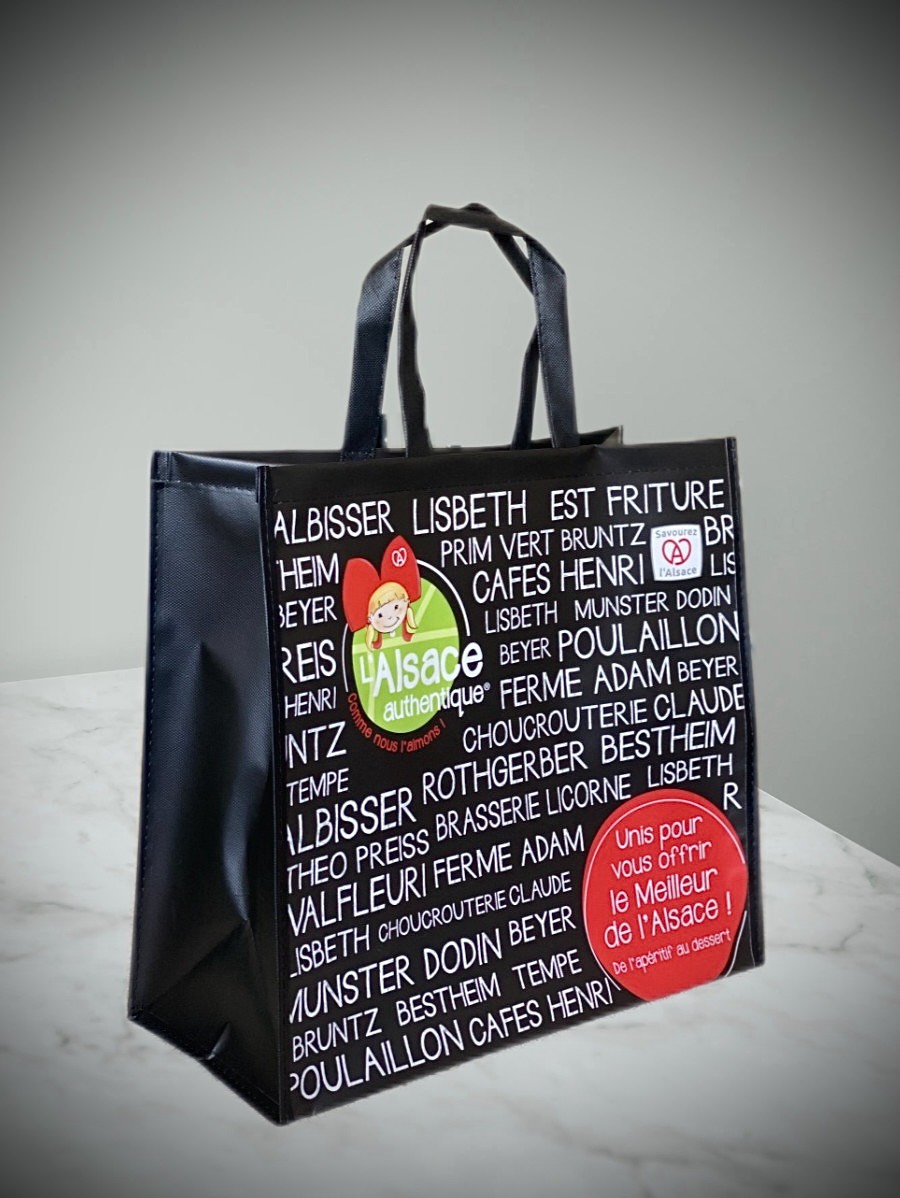
Lamination: simple process, long-term impact
Lamination is often described as a finishing step.
In practice, it changes almost everything.
When PP bags are laminated, they behave differently in use, in printing, and in recycling. The bag feels different. It performs differently. And it creates different expectations from end users.
For buyers, lamination is usually chosen for visual reasons better printing, water resistance, stronger appearance. These reasons are valid. But lamination also introduces trade-offs that are not always discussed early enough.
Understanding these trade-offs becomes important in 2026, when packaging decisions are expected to last longer and serve multiple purposes.
Laminated PP woven bag: structure before appearance
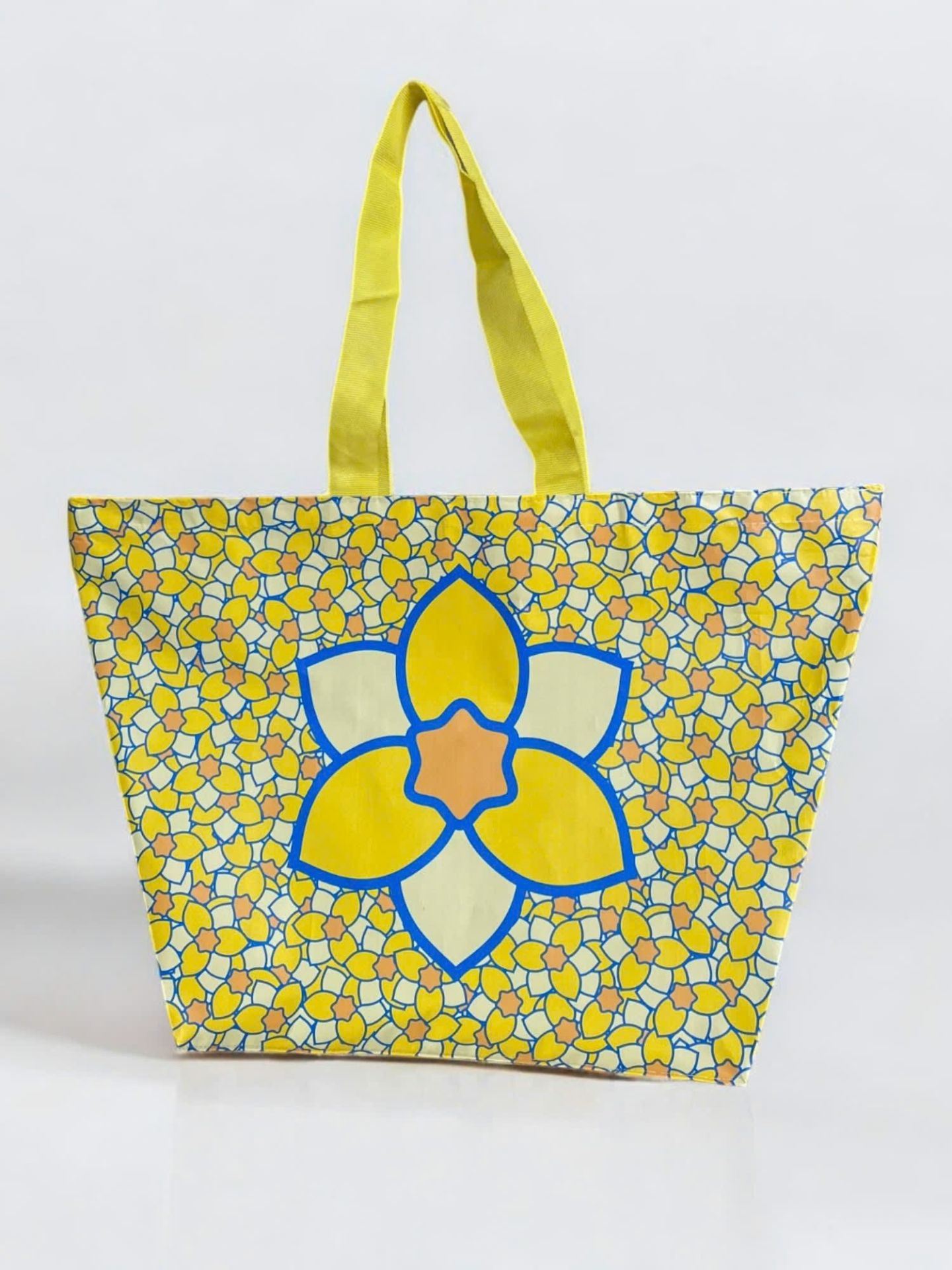
A laminated PP woven bag starts with a woven fabric structure.
This structure gives it strength, load capacity, and shape stability.
Lamination is applied on top of this structure, usually by extrusion coating or film lamination. The lamination layer provides:
- A smooth printing surface
- Protection against moisture
- Additional stiffness
From a manufacturing point of view, the woven structure remains the backbone. The lamination enhances performance but does not replace structural strength.
This is why laminated PP woven bags are often chosen for:
- Retail shopping bags
- Promotional bags meant for reuse
- Trade show bags carrying heavier loads
The bag’s behavior is predictable, even after repeated use.
Laminated PP non woven bag: appearance first, structure second
A laminated PP non woven bag is built differently.
Non woven fabric is made from bonded fibers, not woven tapes. It is lighter, softer, and more flexible by nature. Lamination adds surface strength and printability, but the base structure remains less rigid than woven fabric.
In practice, laminated PP non woven bags offer:
- Excellent print clarity
- Smooth, uniform surfaces
- Lower material weight
They are often used for:
- Short-term promotions
- Event giveaways
- Lightweight retail use
However, lamination does not fully compensate for the structural limits of non woven fabric. Load capacity and long-term reuse depend heavily on construction details.
Printing: where lamination makes a visible difference
Printing quality is one of the main reasons buyers choose laminated bags.
Lamination creates a controlled surface that allows:
- Sharper graphics
- More consistent colors
- Better ink adhesion
Both laminated PP woven bags and laminated PP non woven bags benefit from this. The difference lies in how long the print stays acceptable.
On woven bags, lamination works with a stable base. Prints tend to remain aligned even after folding and reuse.
On non woven bags, repeated bending and stress can cause micro-cracks in the laminated surface over time.
This does not mean one is better in all cases. It means print durability must be matched with usage expectations.
Durability and reuse: the 2026 conversation
In 2026, reuse is no longer a secondary benefit.
It is often a requirement.
A laminated PP woven bag is naturally suited for repeated use. Its structure handles weight, friction, and folding better over time. Lamination adds protection, not dependency.
A laminated PP non woven bag can be reused, but within limits. Its lifespan is shorter, especially when carrying heavier items or used frequently.
From a sustainability perspective, this distinction matters.
A bag reused many times often offsets its material footprint faster than a lighter bag used once or twice.
The question buyers should ask is simple:
How many times do I realistically expect this bag to be used?
The answer usually leads to the right material choice.
Lamination and sustainability: not a contradiction, but a balance
Lamination is sometimes criticized in sustainability discussions.
The concern is understandable. Lamination adds another layer, which can complicate recycling if not managed correctly.
However, sustainability is not only about material simplicity. It is also about functional lifespan.
A laminated PP woven bag that lasts years may be more sustainable than an unlaminated bag that fails quickly.
In practice, sustainability decisions around lamination should consider:
- Reuse potential
- End-of-life handling
- Material transparency
In 2026, buyers increasingly look for realistic sustainability narratives, not idealized ones.
Production complexity: what buyers don’t always see
Lamination increases production complexity.
It adds:
- An extra process step
- Tighter quality control requirements
- More variables in material compatibility
For woven bags, lamination must align correctly with the woven fabric. Any variation in fabric tension can affect coating quality.
For non woven bags, lamination must balance adhesion with flexibility. Too rigid, and the surface cracks. Too soft, and print quality suffers.
Factories experienced in laminated bags invest time in testing and adjustment. This is not always visible in pricing discussions, but it affects outcomes.
Quality consistency: laminated bags reveal weaknesses faster
Laminated bags are less forgiving.
Any inconsistency in material, printing, or cutting becomes more visible once laminated. Wrinkles, misalignment, or color shifts stand out immediately.
This is why laminated bags are often used by buyers as a quality benchmark. If a factory can produce laminated bags consistently, basic products are usually well under control.
For buyers, laminated PP woven bags and laminated PP non woven bags act as a stress test for supplier capability.
Cost considerations: where the differences really come from
Cost differences between laminated woven and laminated non woven bags are not only about material price.
They also come from:
- Lamination method
- Ink usage
- Production speed
- Rejection rates
Laminated PP woven bags typically cost more upfront, but offer longer usable life.
Laminated PP non woven bags are often cheaper per unit, but designed for shorter use cycles.
Neither option is wrong. The mistake is choosing based only on unit price without considering lifecycle.
Typical applications in 2026
Based on current usage patterns, buyers tend to choose:
Laminated PP woven bags for:
- Retail shopping with reuse intent
- Trade shows and exhibitions
- Brand visibility campaigns
- Heavier product packaging
Laminated PP non woven bags for:
- Short promotional events
- Giveaways with strong visual focus
- Lightweight retail items
These patterns are not rules. They are observations.
Good sourcing decisions come from matching the bag’s behavior to its role.
A question that often clarifies everything
When buyers hesitate between laminated PP woven and laminated PP non woven bags, I usually come back to one question:
If this bag fails earlier than expected, what is the real cost to my brand?
For some projects, the cost is negligible.
For others, it is significant.
That answer usually clarifies which material and structure make sense.
Managing expectations between buyer and factory
Many issues around laminated bags come from expectation gaps.
Buyers expect:
- Perfect printing
- Long lifespan
- Competitive pricing
Factories deal with:
- Material variability
- Production constraints
- Realistic performance limits
A good sourcing relationship aligns these expectations early.
This alignment matters more for laminated bags than for basic ones, because lamination amplifies both strengths and weaknesses.
Why Vietnam is a practical base for laminated PP bags
Vietnam’s manufacturing environment supports laminated bag production well.
Factories often have:
- Integrated lamination capabilities
- Experience with export-quality printing
- Structured quality control
At the same time, production remains flexible enough for mid-sized and customized orders.
This combination suits laminated PP woven bags particularly well, where both structure and appearance must be controlled.
Looking ahead: laminated bags beyond 2026
Lamination will not disappear.
But its role will continue to evolve.
Future developments are likely to focus on:
- Better recyclability of laminated structures
- Thinner but stronger lamination layers
- Clearer material communication
Buyers who understand laminated bags today will be better positioned to adapt tomorrow.
Conclusion: choosing function before preference
Choosing between a laminated PP woven bag and a laminated PP non woven bag is not about trends or preferences. It is about function.
Each option serves a purpose. Each has limits.
In 2026, buyers who succeed are those who:
- Define usage clearly
- Align material choice with lifecycle
- Work with factories that explain trade-offs honestly
Lamination is not a shortcut to quality.
It is a tool.
Used well, it enhances performance and appearance.
Used without clarity, it creates disappointment.
The right choice is rarely complicated once the right questions are asked.
>>>> Learn more about Leading PP Woven Bags Manufacturer in Vietnam