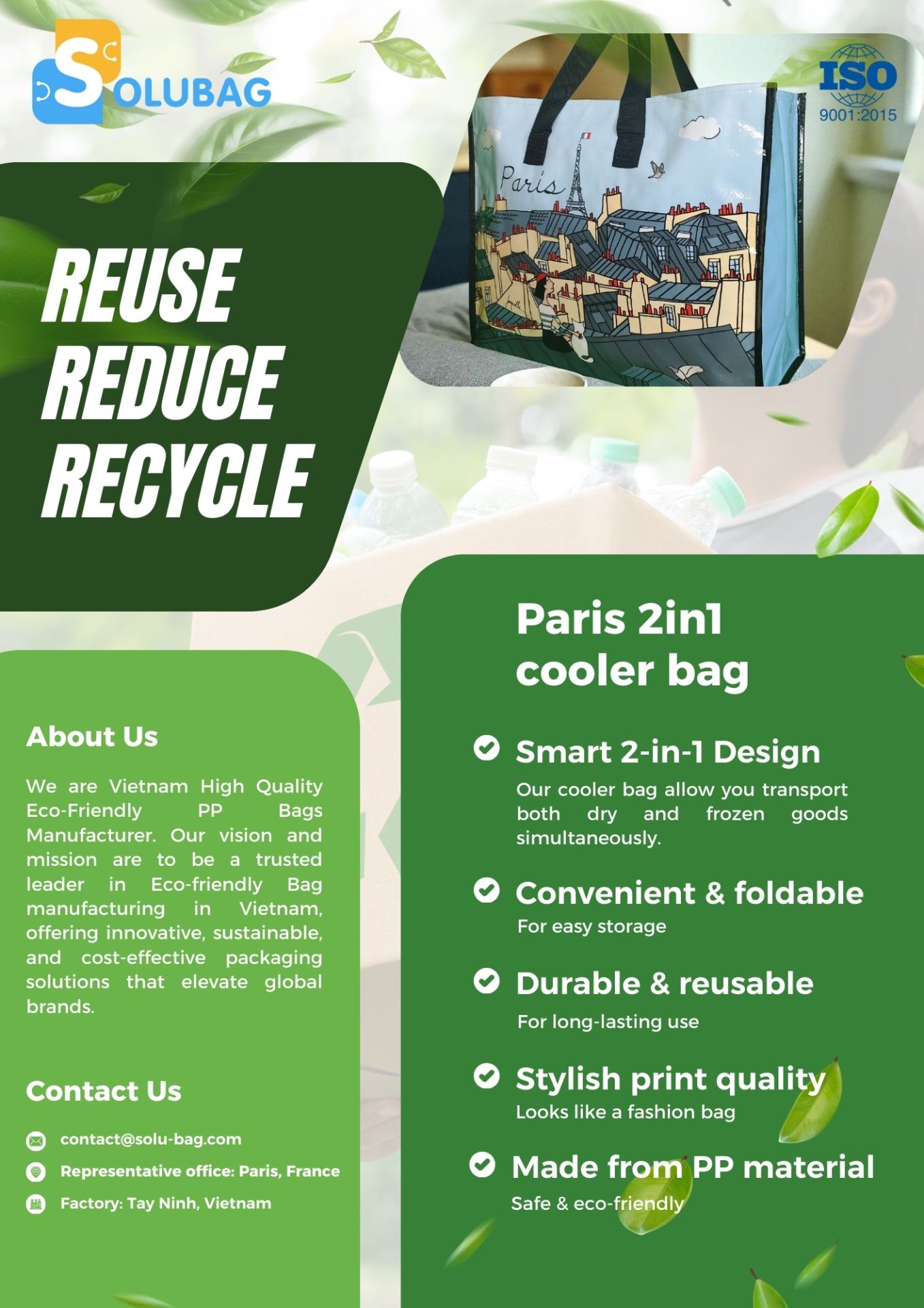

PP Shopping Bags – Reusable & Eco-Friendly Retail Packaging
PP shopping bags are a durable, lightweight, and eco-friendly packaging solution for retail and promotional use. Made from high-quality polypropylene, these bags offer excellent strength, water resistance, and reusability. Ideal for supermarkets, fashion stores, and exhibitions, PP shopping bags can be fully customised in size, colour, and logo, helping businesses enhance brand visibility while reducing single-use plastic waste.
PP Shopping Bags
Common Mistakes I’ve Seen and What They Quietly Cost Retail Brands
Opening summary
PP shopping bags from a practical retail and manufacturing perspective, focusing on common mistakes made when choosing, designing, and using PP shopping bags. Instead of listing features, it examines how PP shopping bags are often misunderstood, where expectations fail in real use, and how these mistakes affect durability, brand perception, and reuse especially in today’s retail environment where reusable packaging plays a growing role.
PP shopping bags were never meant to be just bags
At some point, PP shopping bags became a default choice.
They replaced single-use plastic bags. They looked stronger. They felt more responsible.
And slowly, many retailers stopped thinking about them.
This is usually where problems begin.
PP shopping bags are often treated as a low-risk item. Something that can be specified quickly, priced aggressively, and forgotten once delivered.
From what I have seen over the years, this assumption quietly creates more issues than expected.
Mistake #1: Designing PP shopping bags for price, not for use
This is probably the most common one.
A bag is designed to hit a target price, not to match how customers actually use it.
The result is familiar:
- bags that stretch too easily
- handles that feel uncomfortable when loaded
- shapes that collapse when items are placed inside
The bag technically “works.”
But customers sense its limits immediately.
What is often overlooked is this:
a shopping bag that feels unreliable discourages reuse.
And once reuse drops, the bag loses much of its value—both environmentally and commercially.
A simple question usually clarifies the situation:
How do customers carry this bag after leaving the store?
Many designs never answer that question properly.
Mistake #2: Treating durability as thickness alone
Another frequent assumption is that thicker PP fabric automatically means better quality.
Thickness helps, but it is not the whole story.
I have seen thick PP shopping bags fail quickly because:
- handle attachment was weak
- stitching density was inconsistent
- load distribution was poorly considered
At the same time, I have seen lighter bags perform well because they were designed with use in mind.
Durability is not one decision.
It is the result of many small ones.
When buyers focus only on GSM, they often miss where failures actually occur.
Mistake #3: Overloading the bag with branding
Brand visibility is important.
But there is a point where branding starts working against the bag.
Large logos, heavy ink coverage, complex artwork—these choices increase visual impact, but they also affect:
- flexibility
- folding behavior
- long-term appearance
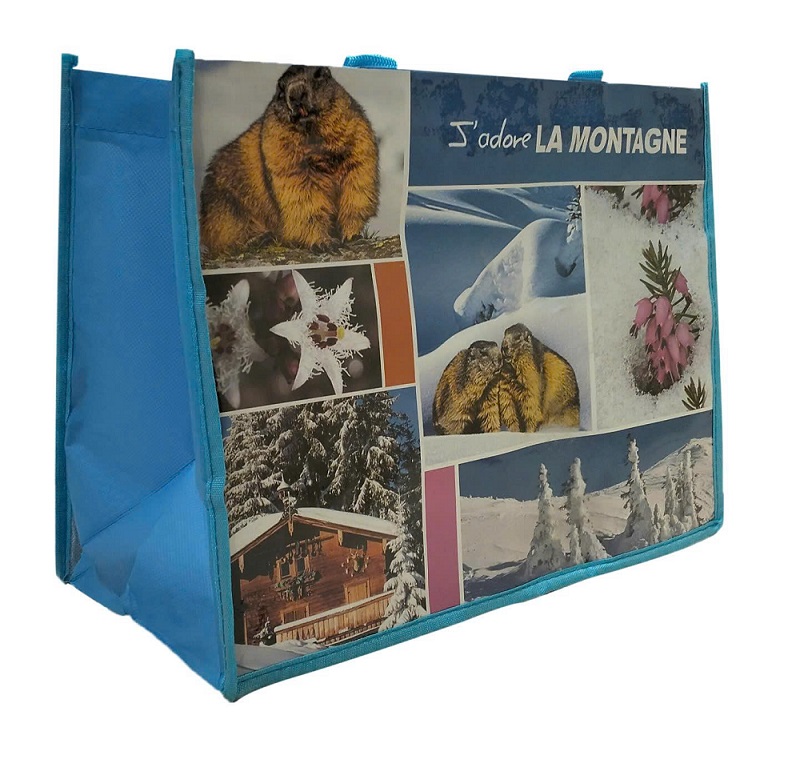
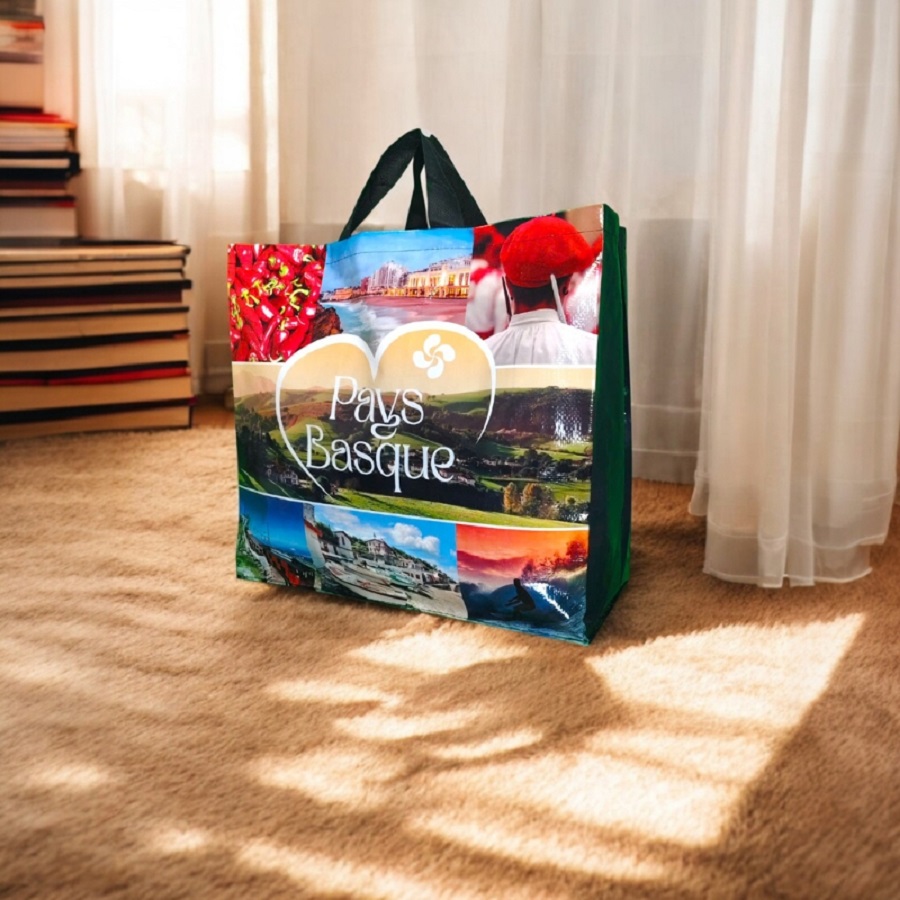
In real use, heavily printed PP shopping bags show wear faster. Creases appear. Ink cracks. The bag starts to look tired long before it fails structurally.
The question worth asking is not:
How strong is the branding on day one?
But rather:
How does this bag look after ten uses?
That answer is often more relevant for brand perception.
Mistake #4: Assuming customers will reuse the bag “because it’s reusable”
Reusability is not automatic.
It is encouraged or discouraged by design.
Customers reuse bags that:
- feel comfortable to carry
- fit their daily shopping habits
- do not look worn too quickly
PP shopping bags that are awkward in size, uncomfortable in hand, or visually degraded after a few uses tend to disappear quickly.
The intention may be reuse.
The design does not always support it.
This gap between intention and behavior is one of the most underestimated issues in reusable packaging.
Mistake #5: Ignoring how PP shopping bags live outside the store
Once a customer leaves the store, the bag enters a different world.
It may be:
- placed on the ground
- carried in public transport
- reused for other purposes
- exposed to weather
PP shopping bags are visible far beyond the point of sale.
This visibility is often discussed as a branding opportunity.
Less often as a durability test.
A bag that looks poor after a few days sends a message quietly, but clearly.
Not about the bag.
About the brand.
Mistake #6: Treating PP shopping bags as a one-time decision
Many retailers choose a bag, place an order, and move on.
Months later, when a reorder is needed, the discussion starts again from zero. Specs are vague. Past issues are forgotten. Adjustments are improvised.
Consistency suffers.
PP shopping bags work best when they are treated as part of a system:
- clear specifications
- controlled updates
- repeatable quality
When this system is missing, each order becomes a new experiment.
Experiments are expensive in retail, even when the item seems simple.
Mistake #7: Expecting one PP shopping bag to serve all purposes
A single bag design is often expected to work for:
- light purchases
- heavy items
- promotional campaigns
- everyday shopping
This is rarely realistic.
PP shopping bags perform best when their role is clearly defined. Trying to make one bag serve every situation usually results in compromises that satisfy no one.
It is often more effective to define two or three use cases than to force one universal solution.
What these mistakes quietly cost retailers
Individually, these mistakes seem minor.
Together, they add up.
They lead to:
- lower reuse rates
- faster wear and replacement
- weaker brand visibility over time
- customer dissatisfaction that is rarely reported
None of these costs appear clearly on invoices.
They appear gradually, in behavior.
And behavior is hard to measure once it has changed.
Why PP shopping bags deserve more attention in 2026
Retail has changed.
Customers shop more frequently, carry smaller loads, and reuse bags in more varied ways. Sustainability expectations have increased, but patience for inconvenience has not.
PP shopping bags now sit at the intersection of:
- functionality
- sustainability
- brand presence
This makes them more important than their unit cost suggests.
In 2026, the question is no longer:
Are PP shopping bags better than plastic bags?
But:
Are they designed to be used the way customers actually live today?
A quieter way to think about PP shopping bags
Instead of asking how to improve PP shopping bags, it may help to ask:
- Where do customers stop using them?
- When do they become inconvenient?
- At what point do they lose their value?
These questions do not require dramatic answers.
They require attention.
Often, small design adjustments have a bigger impact than complete redesigns.
Simple products deserve thoughtful decisions
PP shopping bags are simple products.
That is precisely why they are easy to underestimate.
Most mistakes made with PP shopping bags are not technical. They are assumptions about use, about behavior, about what customers will tolerate.
In retail, assumptions age quickly.
A well-considered PP shopping bag does not draw attention to itself. It simply works again and again without friction.
And when that happens, customers notice, even if they never say it.