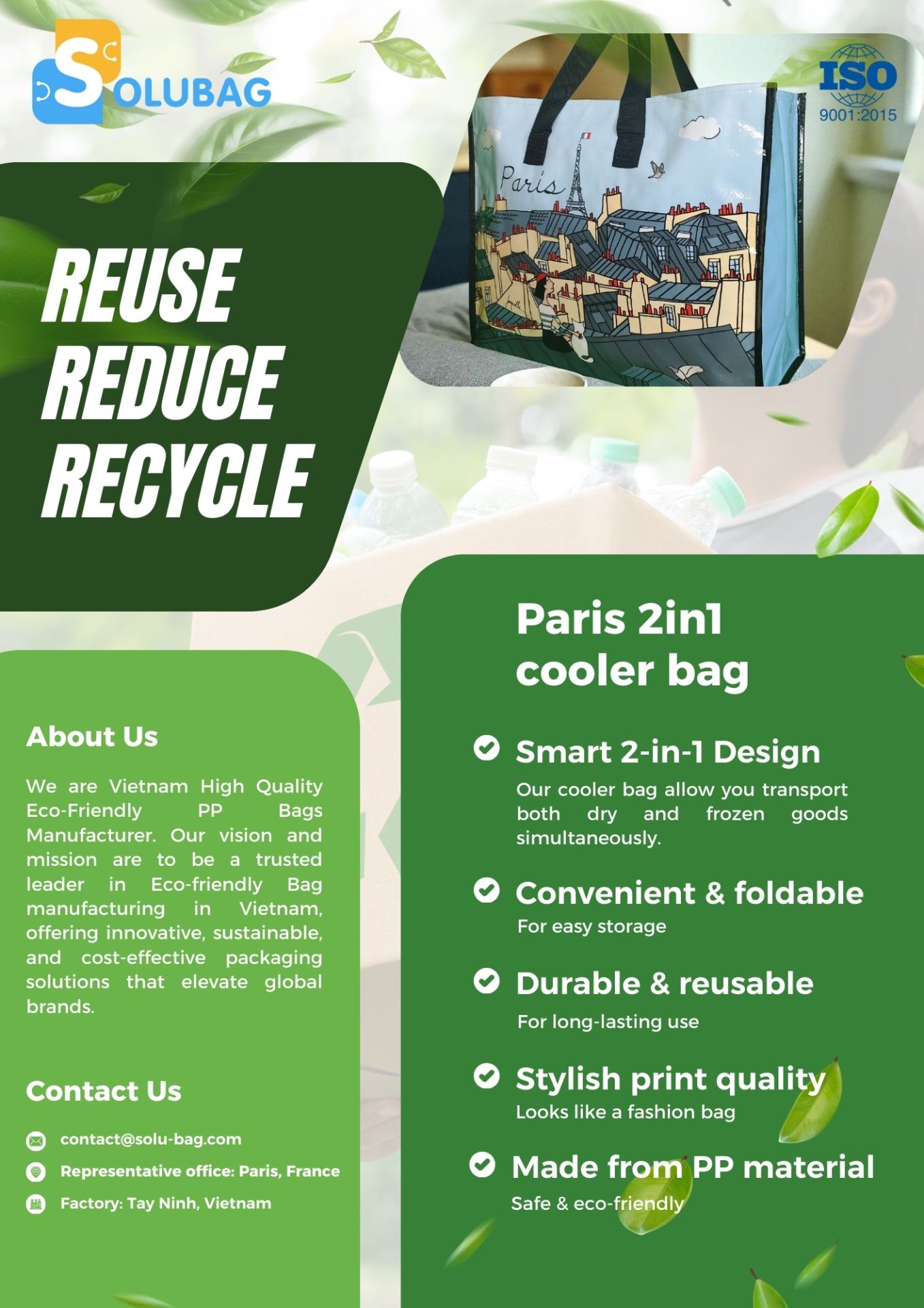
Vietnam Green Packaging Manufacturers
A Practical View Beyond the Sustainability Labels
Opening summary
This article looks at how Vietnam green packaging manufacturers operate in practice, especially for European buyers sourcing packaging with sustainability requirements. It examines what “green packaging” really means at factory level, how materials and processes are managed, and why Vietnam has become a relevant sourcing option for brands seeking balance between environmental goals, cost control, and reliable production. The focus is not on claims, but on how green packaging is implemented and maintained over time.
Green packaging: a term that means different things to different people
“Green packaging” is widely used today.
Sometimes too widely.
For some buyers, it refers to recyclable materials.
For others, it means reduced plastic usage, reusable designs, or lower environmental impact across the supply chain.
From the factory side, the definition is often more practical. Green packaging is not a single material or solution. It is a combination of choices, constraints, and trade-offs.
The difficulty is not in agreeing with sustainability goals. The difficulty is applying them consistently when production, cost, and timelines still matter.
This is where many discussions start to become unclear.
What green packaging looks like inside a Vietnam factory
Inside a Vietnam green packaging manufacturer, sustainability is rarely handled as a separate department. It is usually integrated into daily production decisions.
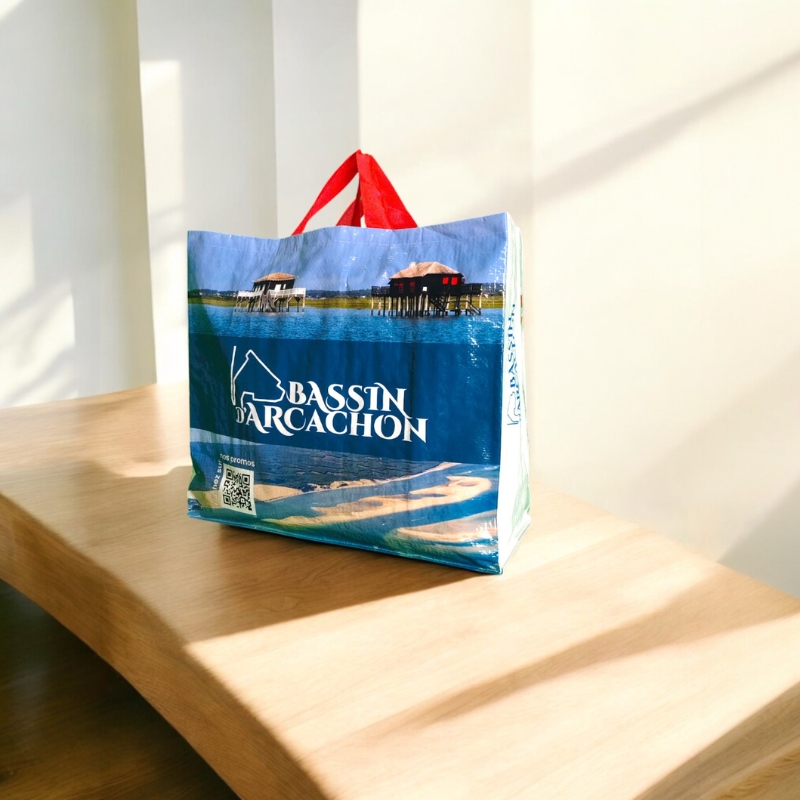
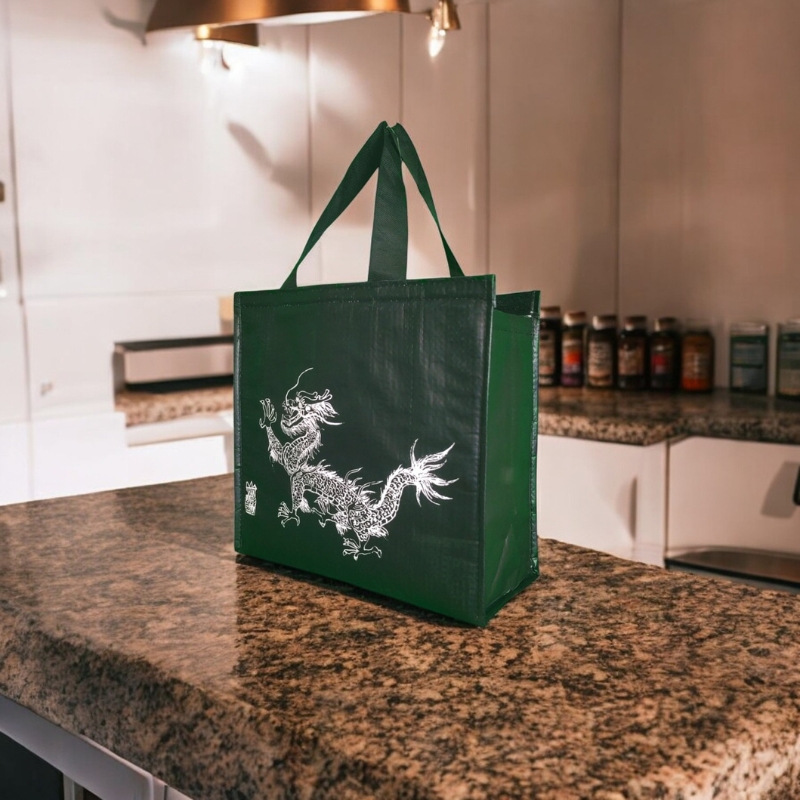
Material selection is the first step. PP woven, PP non-woven, recycled PET, or blended materials each come with different environmental profiles. None of them are perfect. Each one solves a specific problem.
The second step is process control. Waste reduction during cutting, efficient printing methods, and controlled rework processes contribute more to sustainability than marketing claims.
The third step is usage. A bag designed to be reused multiple times often has a lower environmental impact than a lighter, single-use alternative. This is a point that is sometimes overlooked.
Green packaging, in practice, is about reducing unnecessary waste, not eliminating materials altogether.
Why Vietnam became relevant in green packaging sourcing
Vietnam did not position itself as a green packaging hub overnight.
What happened gradually is this: export-oriented factories had to adapt to buyer requirements. European clients began asking more questions—not only about price and lead time, but about materials, waste, and consistency.
Factories that wanted to continue exporting had to respond.
Over time, this led to:
- Better material traceability
- Improved process documentation
- More structured quality and environmental controls
Vietnam green packaging manufacturers today are often those who learned to balance compliance with practicality. Sustainability is treated as an operational topic, not a slogan.
This approach tends to work better in long-term cooperation.
A question buyers often hesitate to ask
There is a question that often stays unspoken:
How green does this packaging need to be, realistically?
Sustainability targets vary. Some projects require strict environmental criteria. Others aim for improvement rather than perfection.
Factories that understand green packaging well usually ask clarifying questions early. They want to understand whether the goal is certification, reuse, recyclability, or reduced waste.
This conversation matters. Without it, expectations remain vague, and disappointment follows.
Green packaging works best when objectives are clearly defined, not assumed.
Green materials alone are not enough
It is tempting to focus only on materials.
Recycled content, biodegradable components, or alternative fibers often receive the most attention. While important, materials alone do not define sustainability.
Production efficiency matters.
Quality consistency matters.
Durability matters.
A poorly made “green” bag that breaks after one use often creates more waste than a well-made reusable one.
Vietnam green packaging manufacturers that operate responsibly tend to focus on durability and repeat use. This approach may not look dramatic, but it is effective.
Sustainability, in this sense, becomes a result of good manufacturing discipline.
The role of systems in green packaging production
Green packaging is closely linked to process stability.
Without systems, sustainability depends on individual effort. With systems, it becomes repeatable.
Many Vietnam factories exporting green packaging operate under structured management frameworks. These systems help ensure that:
- Material specifications are followed
- Waste is monitored
- Deviations are identified early
This does not guarantee perfect outcomes. It helps reduce inconsistency.
From experience, sustainability efforts fail more often because of weak execution than because of wrong intentions.
Cost, sustainability, and the uncomfortable balance
There is no avoiding this topic.
Green packaging often costs more. Sometimes in materials. Sometimes in production time. Sometimes in management effort.
Buyers and factories both feel this pressure.
The question is not whether green packaging is more expensive. The question is where the cost is acceptable.
Vietnam green packaging manufacturers that work well with European buyers usually approach this openly. They explain trade-offs. They clarify what is achievable within a given budget.
This transparency builds trust, even when compromises are needed.
Reusability: an underestimated sustainability factor
In many discussions, reusability receives less attention than materials.
From a practical point of view, this is surprising.
A bag that is reused many times often offsets its material footprint quickly. This applies to retail bags, promotional bags, and trade show totes.
Factories that design for reuse pay attention to:
- Stitching strength
- Handle construction
- Fabric durability
These details are not always visible in product descriptions. They become visible in real usage.
Green packaging is not always about new materials. Sometimes it is about making existing materials work better.
How European buyers evaluate green packaging suppliers in Vietnam
Beyond certifications and claims, experienced buyers tend to look at behavior.
How does the factory discuss sustainability?
Do they ask questions or simply agree?
Do they explain limitations?
Vietnam green packaging manufacturers that are serious about sustainability usually communicate calmly. They do not promise everything. They focus on what can be done consistently.
This attitude often indicates long-term reliability.
A reflection from the industry
Over the years, sustainability expectations have increased. This is not a temporary trend.
What has changed is the level of realism in discussions.
Green packaging is no longer about perfection. It is about progress. Small improvements applied consistently often matter more than ambitious claims that cannot be maintained.
Factories that understand this tend to remain stable partners.
Choosing progress over labels
Working with Vietnam green packaging manufacturers is not about finding the “greenest” solution on paper. It is about finding partners who understand how sustainability fits into real production.
Green packaging works when material choices, process control, and usage patterns align. It works when expectations are clear and execution is consistent.
For European buyers, the better question may not be is this packaging green enough?
But rather: can this approach be sustained over time?
In many cases, that question leads to more practical and more honest answers.
>>> Read more about : PP Shopping Bags – Reusable & Eco-Friendly Retail Packaging